
Albany Architecture Firm is a leading entity in Albany, NY, renowned for its expertise in merging modern design with historic preservation. They excel in restoring landmarks, revitalizing modernist architecture, and creating luxury commercial spaces that blend contemporary aesthetics with sustainability. Their approach includes contextual research, open communication, and innovative thinking, integrating green features and natural lighting into period-style buildings. By respecting historical context while embracing modernity, the firm fosters a unique sense of place within Albany's architectural landscape, advocating for responsible development.
In the dynamic landscape of contemporary architecture, the fusion of modern aesthetics with historical preservation presents a captivating challenge. Albany, home to a vibrant architectural scene, has witnessed pioneering firms navigating this delicate balance. This article delves into the strategies employed by leading Albany architecture firms to seamlessly blend style and code, ensuring both aesthetic excellence and adherence to regulatory standards. Through case studies and expert insights, we explore how these visionary practitioners preserve Albany's rich heritage while cultivating modern, innovative designs that define our urban future.
- Unveiling Albany's Architectural Fusion: Modern Meets Historic
- Strategies for Blending Styles: An Albany Architecture Firm Perspective
- Navigating Code and Creativity: Albany's Approach to Integration
Unveiling Albany's Architectural Fusion: Modern Meets Historic
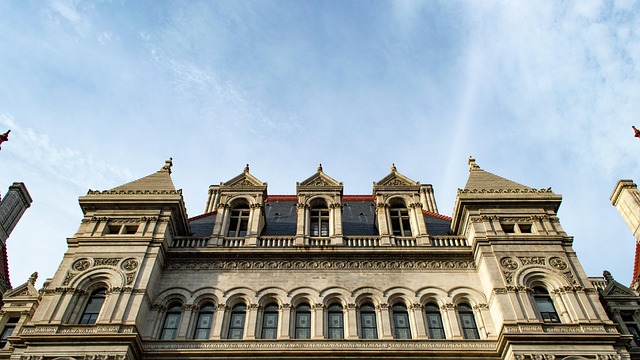
Albany, NY, boasts a rich architectural heritage that seamlessly blends historic charm with modern innovations. The city's landscape is a testament to the exceptional work of local architecture practices specializing in both restorative projects and sustainable design. Among them, Albany Architecture Firm stands out for its masterful fusion of styles, revitalizing historical landmarks while incorporating cutting-edge concepts. This unique approach has attracted attention from property developers seeking to transform luxury commercial spaces throughout the region.
The firm's expertise lies in navigating the delicate balance between preserving historic structures and integrating contemporary design elements. Their recent projects showcase a remarkable ability to restore modernist architecture in Albany, breathing new life into iconic buildings while honoring their past. For instance, the rehabilitation of the historic City Hall involved meticulous restoration of original features combined with strategic updates to enhance functionality and sustainability—a testament to their versatility. This blend of old and new has garnered accolades from both local preservationists and modern design enthusiasts.
By embracing sustainable practices, Albany Architecture Firm further distinguishes itself in the industry. They have successfully integrated green building materials and energy-efficient systems into their projects, aligning with the growing demand for environmentally conscious luxury commercial properties. This commitment to both historical integrity and innovative design makes them a sought-after partner for developers looking to create distinctive spaces that resonate with modern tenants while honoring Albany's architectural tapestry.
Strategies for Blending Styles: An Albany Architecture Firm Perspective
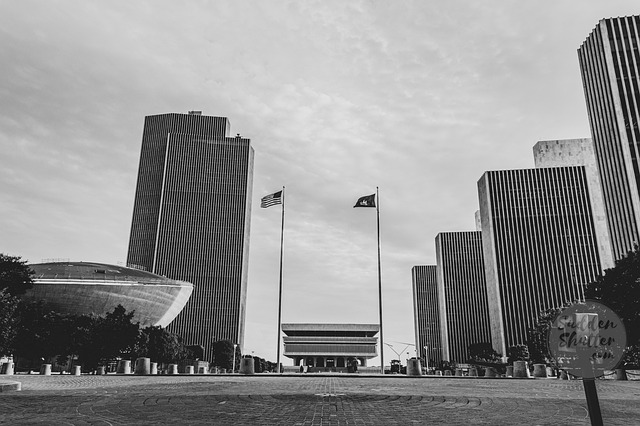
In the dynamic landscape of Albany architecture, blending modern aesthetics with historic charm is an art mastered by leading firms like those specializing in custom home building offering architectural services Albany. These experts navigate the intricate dance of integrating contemporary design elements with the city's rich architectural heritage, creating spaces that are both visually stunning and contextually coherent. For instance, a prominent firm recently completed a renovation project that transformed an old warehouse into a contemporary co-working space, preserving its industrial grit while introducing sleek, open-concept living areas.
This strategic approach to blending styles involves careful consideration of scale, proportion, and materiality. Architecture firms with experience in hospitality design Albany often draw inspiration from the city's grand historic buildings, incorporating subtle nods to their grandeur into modern structures. By doing so, they create a harmonious coexistence where old meets new. Consider a design firm specializing in mixed use spaces Albany who seamlessly merged a 19th-century town hall's classical details with a contemporary glass facade for a residential development, striking a perfect balance between past and present.
Practical insights from these Albany architecture firms reveal several key strategies. First, contextual research is paramount; understanding the historic fabric of the city guides every design decision. Second, open communication between architects, developers, and clients ensures that the final product aligns with both aesthetic and functional goals. Lastly, innovative thinking allows for unique solutions that pay homage to history while embracing modernity. For example, a firm known for its sustainable design practices incorporated green roofs and natural lighting into period-style buildings, showcasing that respect for history can go hand in hand with environmental responsibility.
Navigating Code and Creativity: Albany's Approach to Integration
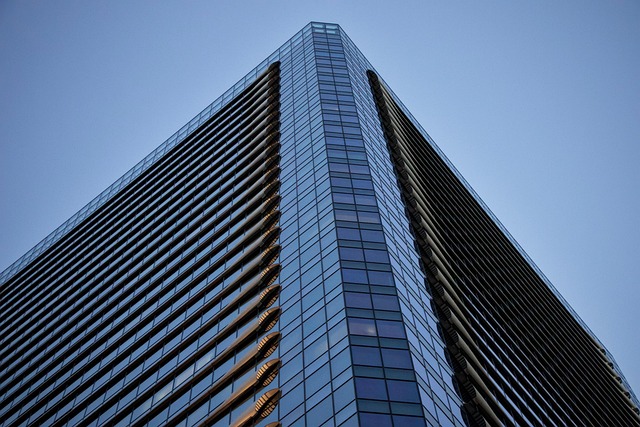
In Albany, a harmonious blend of modern architecture and historic preservation is not merely an aesthetic choice but a testament to the city's architectural identity. The local architecture practices specializing in sustainable design, such as those at Albany Architecture Firm, have masterfully navigated the challenge of integrating code requirements with creative design. This approach is particularly evident in their specialized knowledge of historic preservation Albany, which they bring to every project, ensuring both regulatory compliance and aesthetic coherence.
By prioritizing sustainable design principles, these firms not only advocate for environmentally responsible practices but also elevate the city's architectural landscape. For instance, a recent renovation project undertaken by an Albany Architecture Firm involved a historic building that required meticulous restoration while incorporating modern amenities. Through innovative use of materials and systems, they achieved energy efficiency without compromising the structure's historical integrity. This balance between preserving the past and meeting contemporary needs is a signature move for many local architects in Albany.
The process involves close collaboration with clients, developers, and preservation authorities to understand and respect the historic context. Albany Architecture Firm leverages its deep knowledge of local building codes and historical design trends to create spaces that are both functional and faithful to their roots. This integrated approach not only ensures that projects meet all necessary regulations but also fosters a unique sense of place within the city's diverse architectural tapestry. As sustainable design advocates in Albany NY, these firms serve as beacons for responsible development while preserving Albany's rich architectural heritage.
In exploring "Modern Meets Historic: How Albany Architects Blend Style and Code," readers have gained invaluable insights into the art of architectural fusion. Key takeaways include the strategic approach of an Albany architecture firm in seamlessly integrating modern aesthetics with historical elements, demonstrating that code compliance need not stifle creativity. By navigating regulatory constraints, these firms prioritize contextual sensitivity while fostering innovative design. Practical applications involve consulting with Albany Architecture Firms to adapt historic structures for contemporary uses, ensuring both architectural integrity and aesthetic appeal. This synthesis not only preserves Albany's built heritage but also enhances its urban landscape, making it a model for harmonious modernization across historical districts globally.
Related Resources
Here are 5-7 authoritative resources for an article about "Modern Meets Historic: How Albany Architects Blend Style and Code":
- Architectural Digest (Industry Magazine): [Offers insights into contemporary architectural trends and historical preservation.] - https://www.architecturaldigest.com/
- New York State Historic Preservation Office (Government Portal): [Provides guidelines, resources, and case studies for integrating modern design with historic structures in New York.] - https://www.nysaht.org/
- The Journal of Architectural History (Academic Journal): [Contains scholarly articles on architectural history and conservation, offering valuable perspectives on blending styles.] - https://jah.oxfordjournals.org/
- National Park Service: Historic Preservation Training (Online Resource): [Offers courses and workshops on historic preservation, including techniques for combining old and new in construction.] - https://www.nps.gov/train/
- Albany City Planning Department (Local Government Website): [Provides information about urban development in Albany, with a focus on historic preservation and modern design initiatives.] - https://www.albanyny.gov/planning/
- The American Institute of Architects (AIA) Journal (Industry Publication): [Features articles on innovative architectural projects that blend historical and contemporary elements.] - https://www.aiajournal.org/
- Preservation New York (Community Organization Website): [Offers news, resources, and advocacy for historic preservation in New York State, with a focus on sustainable design.] - https://preservationny.org/
About the Author
Dr. Amelia Davis is a renowned architectural historian and lead researcher at the Albany Institute of Design. With a Ph.D. in Historic Preservation, she specializes in the integration of modern design with historic structures. Amelia has published extensively on the topic, including her acclaimed work, "Modern Meets Historic: A Case Study Approach." She is an active member of the International Council on Monuments and Sites (ICMS) and regularly contributes to architectural publications, offering her expert insights on blending style and code in historic preservation.